
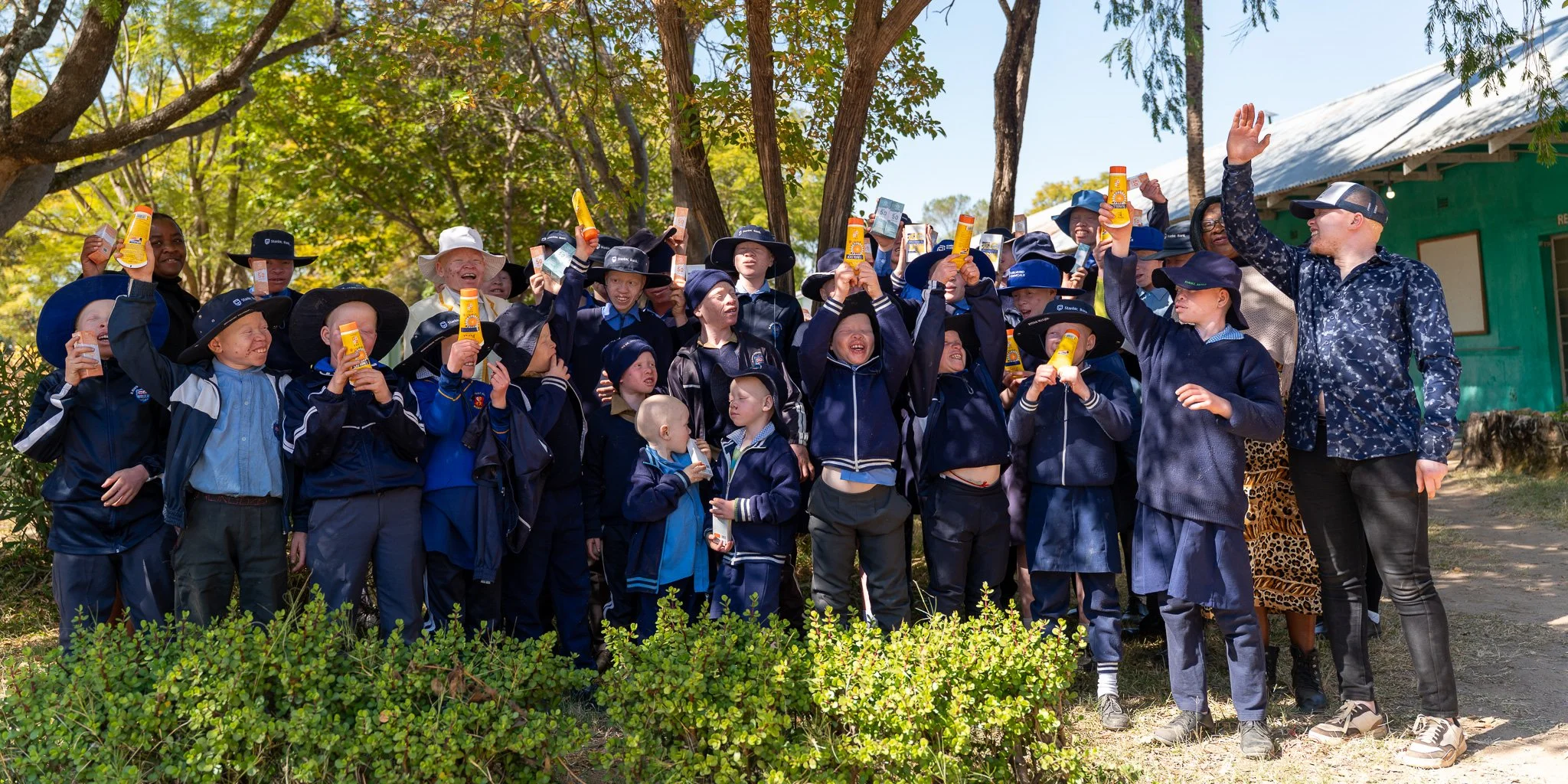
The story beneath the skin.
What is albinism?
Albinism is a rare, inherited condition that affects people all over the world — regardless of race, gender, or nationality. To understand albinism, imagine the body as a factory. One of the jobs this factory has is to produce something called melanin — a natural pigment that gives color to our skin, hair, and eyes. Melanin also plays a key role in protecting the skin from the sun and helping our eyes develop and function properly.
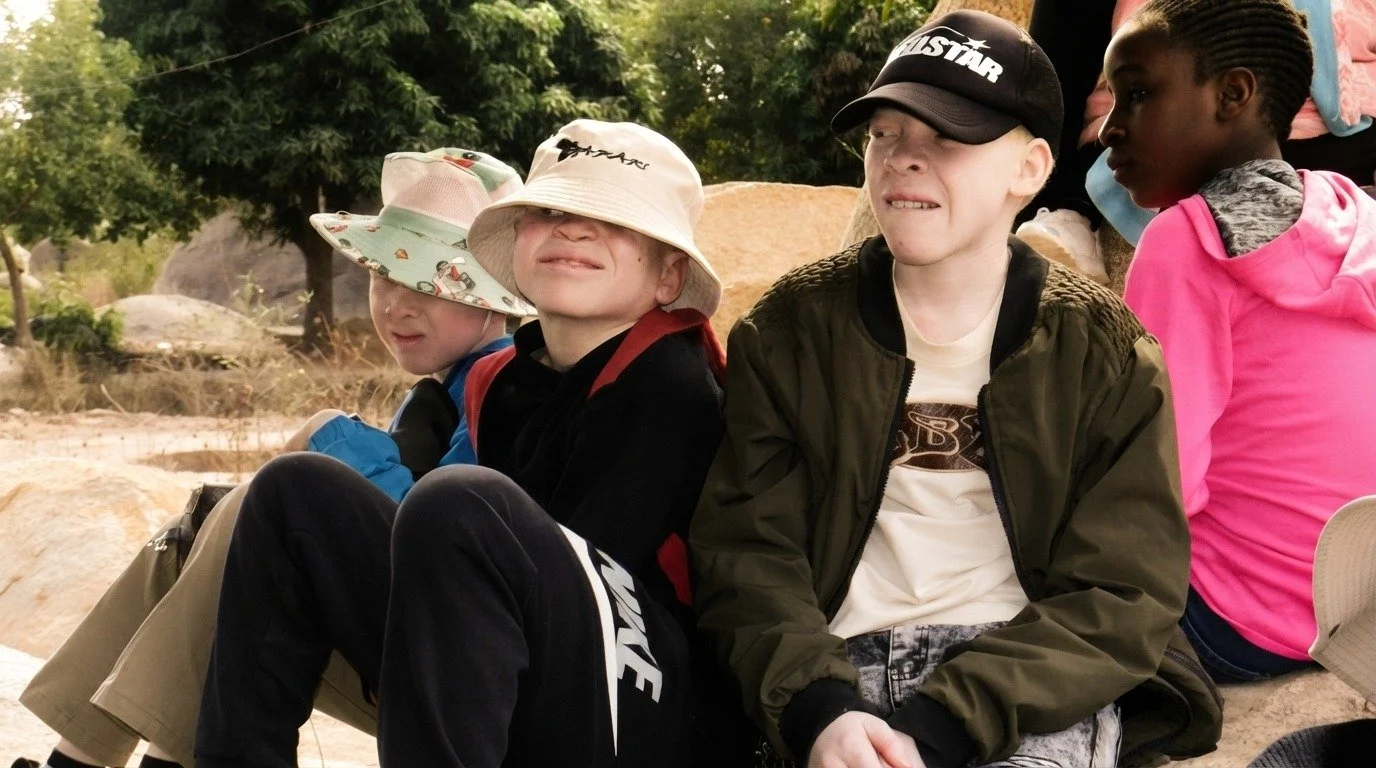
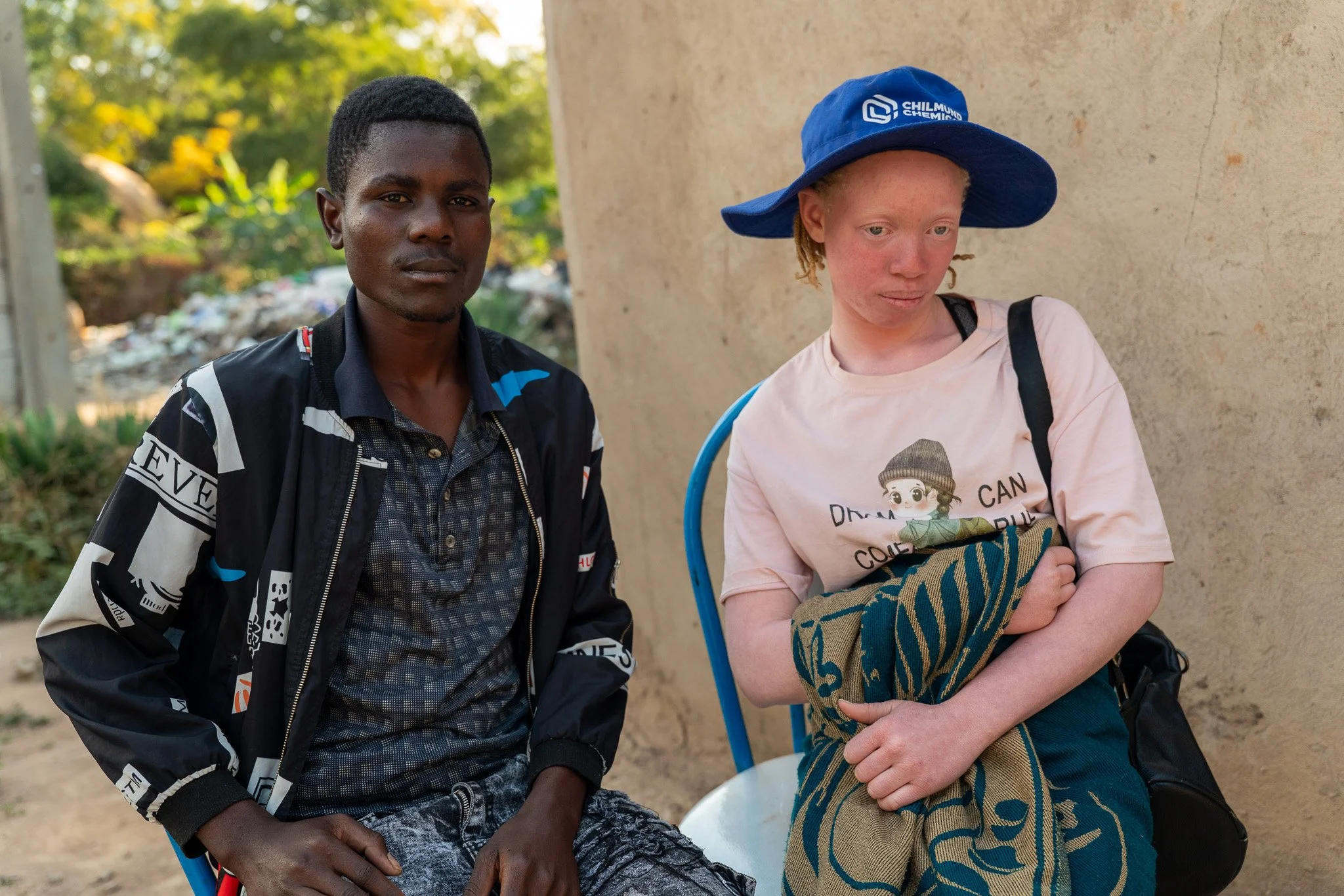
In people with albinism, this factory is missing a key part of its recipe. Due to changes (mutations) in certain genes — genes they inherit from both parents — the body can’t make enough melanin, or in some cases, any at all. It’s not because of something the person did or didn’t do; it’s something they’re born with. This lack of melanin is what causes the very light skin, white or very light hair, and light-colored eyes that many people associate with albinism.
Types & vision
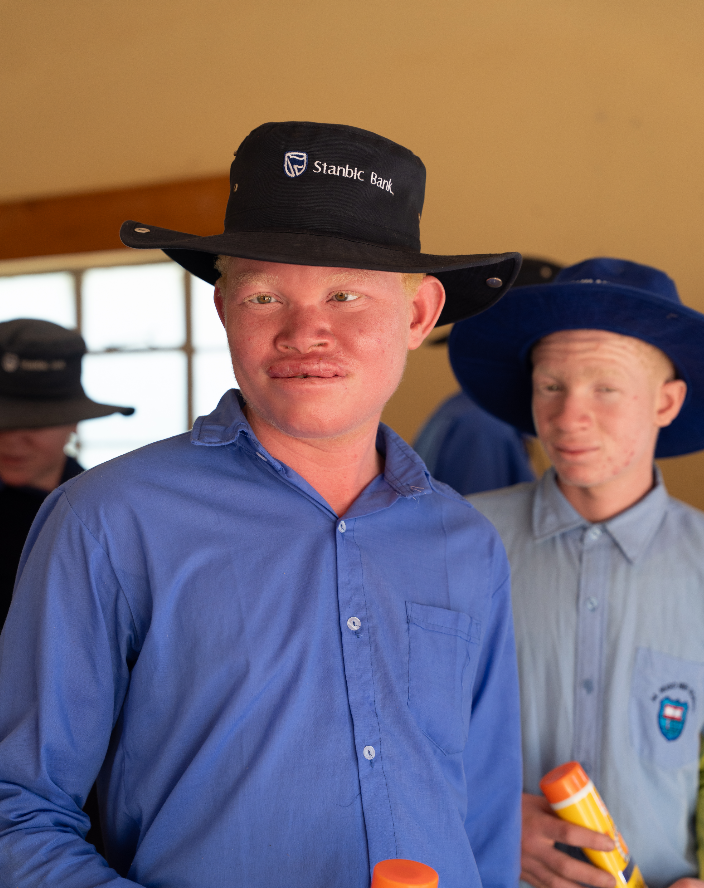
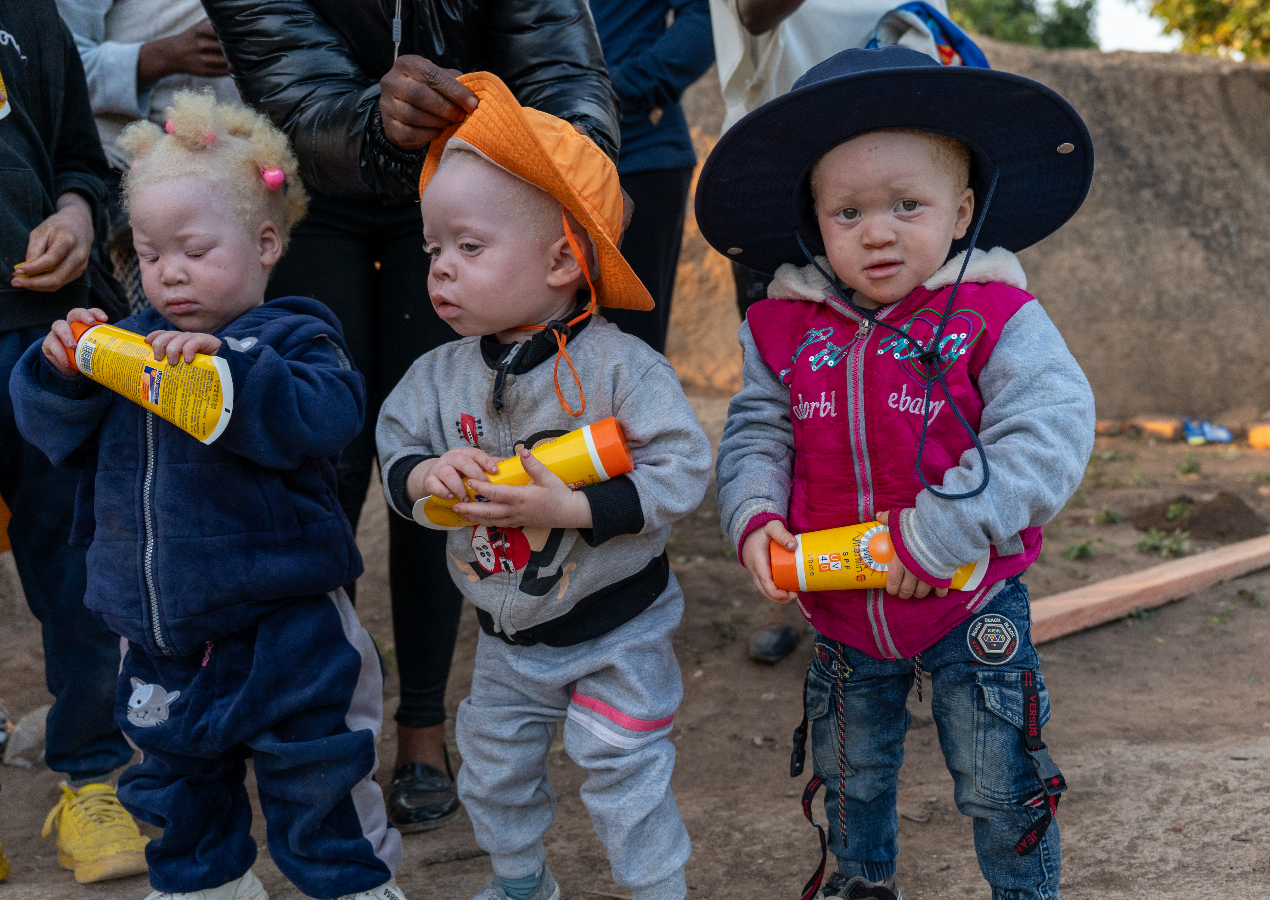
There are different types of albinism, but the most common is called oculocutaneous albinism (OCA). “Oculo” refers to the eyes, and “cutaneous” refers to the skin — so this type affects the eyes, skin, and hair. Another form, ocular albinism (OA), mainly affects the eyes. In both cases, people with albinism often have vision problems because melanin plays a role in how the eyes develop, especially in the first few months of life. That means many individuals with albinism may have difficulty seeing clearly, may be sensitive to bright light, or may have involuntary eye movements.
A human experience
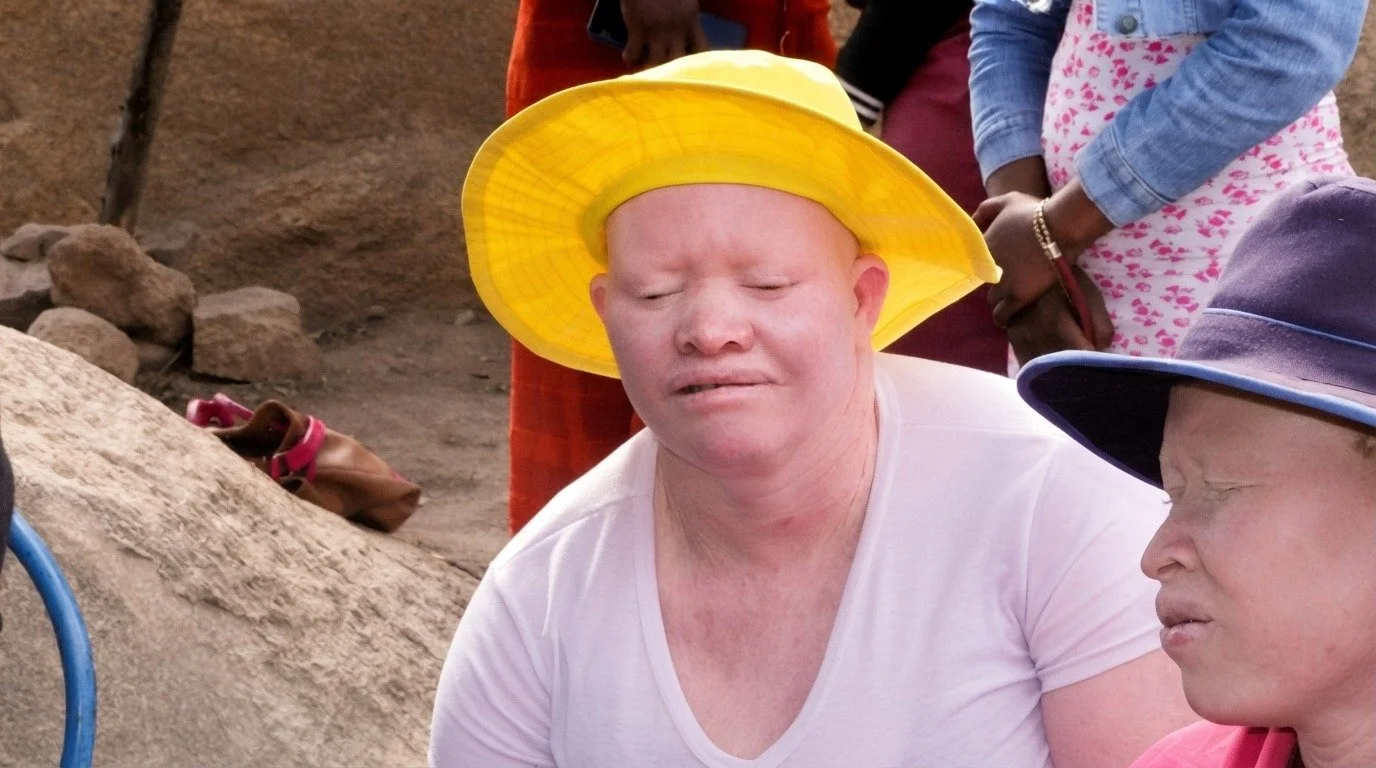
But albinism is more than just a medical condition — it’s also a deeply human experience. In some parts of the world, especially in parts of Africa, people with albinism face serious challenges. Due to myths, superstitions, or misunderstandings, they may be seen as cursed, magical, or even dangerous. This can lead to bullying, discrimination, and, in some tragic cases, violence. But in truth, people with albinism are just like anyone else — they have hopes, talents, dreams, and the same desire to be understood and accepted.
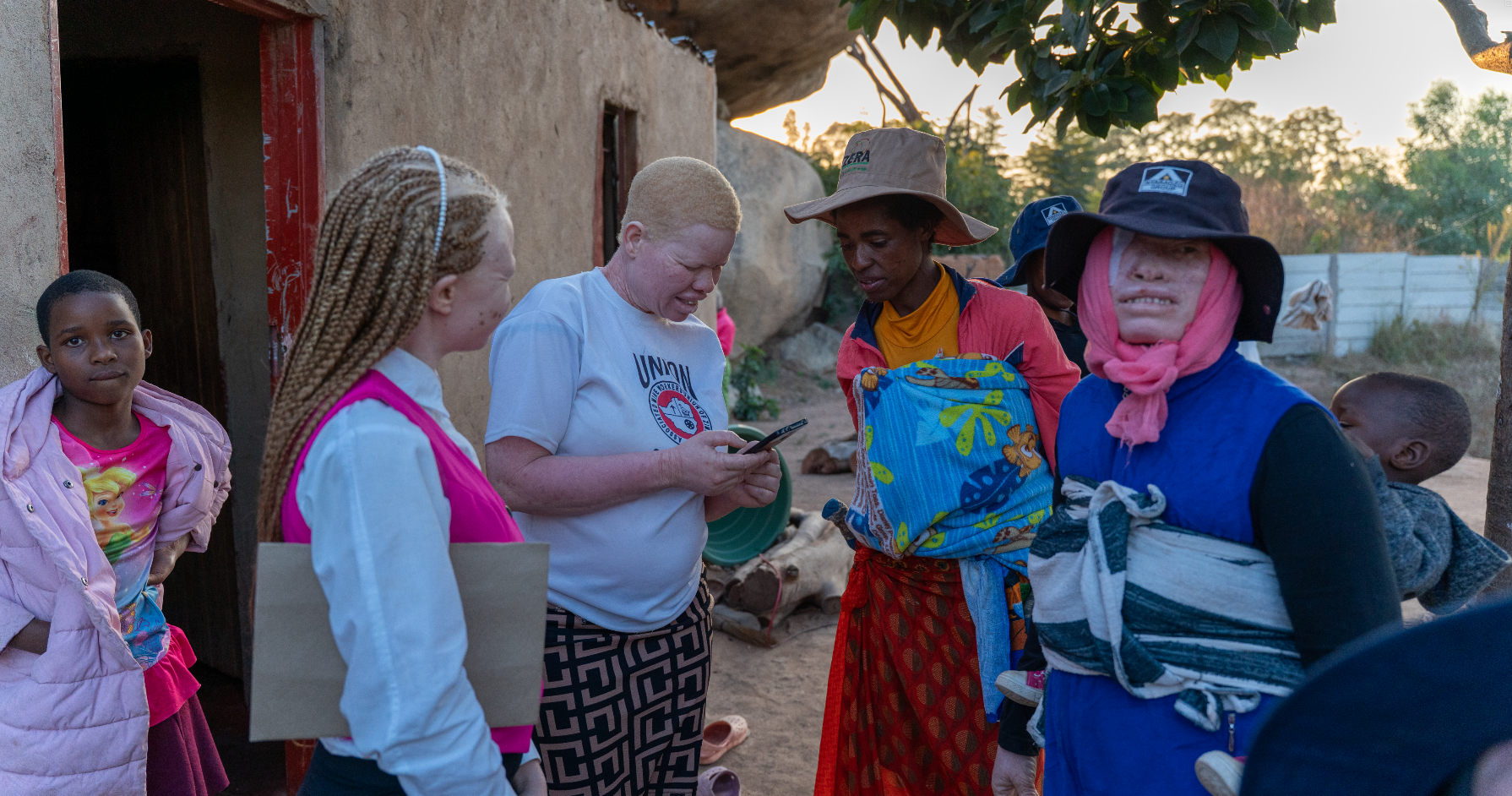
The good news is that awareness is growing. Across the globe, advocates, organizations, and people with albinism themselves are working hard to raise understanding and protect human rights. With proper care — like using sunscreen to protect the skin, wearing hats and sunglasses, and getting regular eye check-ups — people with albinism can live full, healthy, and successful lives.
“It’s important to remember: albinism is not a disease. It’s a genetic condition — a difference, not a defect.”
People with albinism may look different, but they are no less capable, intelligent, or worthy of love and respect. Their story, like anyone else's, deserves to be seen, heard, and celebrated.
Contact us
Interested in partnering with us? Please fill out some info and we will be in touch shortly. We can’t wait to hear from you!